The Art and Science of Logo Design: Creating Symbols That Speak Volumes
In today’s fast-paced, visual-centric world, a logo is more than just a graphic – it’s the face of a brand. It’s a powerful symbol that carries the essence of a company’s identity, values, and message in a way that is often immediately recognisable. Whether it’s the swoosh of Nike, the golden arches of McDonald’s, or the minimalist apple from Apple Inc., logos have the ability to evoke emotions, stir memories, and influence decisions.
But what exactly makes a logo successful? In this blog, we’ll delve into the art and science behind logo design, offering insights into how to create a memorable and meaningful logo for any business or organisation.
1. The Role of a Logo in Brand Identity
A logo is the cornerstone of your brand’s visual identity. It’s the first thing people see, and it’s the symbol they will associate with your company long after their first interaction. A well-designed logo can:
- Communicate your brand values: A logo can convey the mission and core values of your business, often without the need for words. For instance, the green colour in the Whole Foods logo signals health and eco-consciousness, while the boldness of the FedEx logo communicates speed and efficiency.
- Foster trust and recognition: Logos help establish credibility and reliability. The more consistent and visible a logo is, the stronger its association becomes with the brand it represents.
- Differentiate your brand: In a crowded market, a unique logo can help your business stand out from competitors. Think about how Coca-Cola’s cursive script sets it apart from other soda brands or how the simple geometric design of the Adidas logo speaks to athleticism and performance.
In essence, your logo serves as a visual shortcut to your brand, instantly conveying who you are and what you stand for.
2. Key Elements of a Great Logo
Designing a logo that resonates with audiences and stands the test of time requires a balance of art, psychology, and strategy. Below are some key principles to keep in mind when crafting a logo.
Simplicity
Great logos are often simple. Think of the Nike Swoosh or the Twitter bird. These logos are easy to recognise and reproduce, making them memorable. Simplicity is key because it allows your logo to be versatile, scalable, and timeless. Complex logos can become muddled in smaller formats or in black and white, while simple logos retain their integrity across all applications.
Memorability
A memorable logo sticks in people’s minds. It needs to be distinctive enough that it’s easily recognised after just a glance. Some of the most iconic logos have become synonymous with their respective brands due to their clear and unique design. Memorable logos often include clever elements or subtle details that make them stand out—like the arrow in the FedEx logo or the hidden “smile” in the Amazon logo.
Versatility
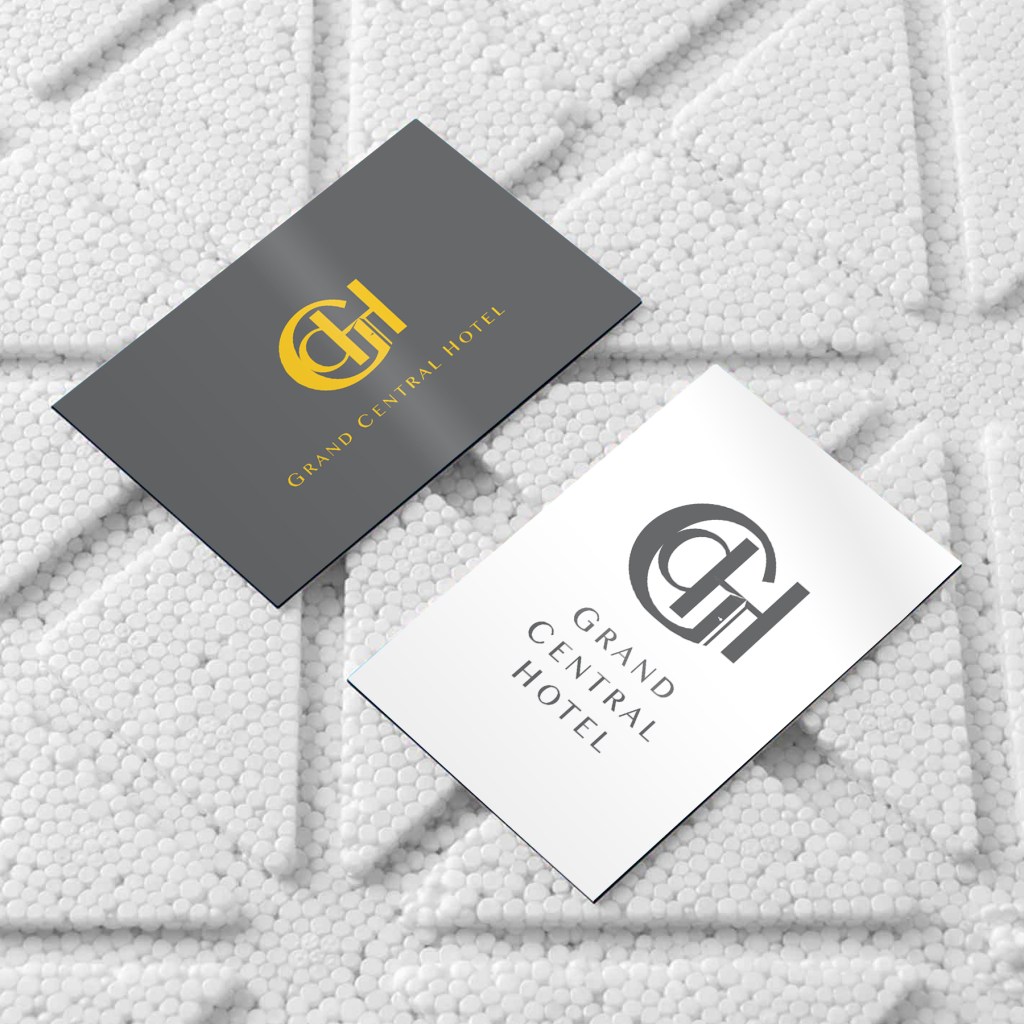
Your logo should work across a variety of mediums and applications. Whether it’s on a business card, a billboard, a website, or a social media profile, a good logo should maintain its integrity and readability. Consider scalability (how it looks in small or large sizes) and adaptability (whether it works in colour, black and white, or grayscale).
Timelessness
Avoid following trends when designing a logo. While it might be tempting to adopt the latest design fads, the best logos remain effective over time. Think of timeless designs like the Coca-Cola script or the McDonald’s golden arches. These logos have barely changed over the years and remain as relevant today as they were decades ago. A timeless logo doesn’t rely on current design trends but instead stays true to the brand’s core message.
Appropriateness
A logo should be appropriate for the brand it represents. The colour scheme, typography, and graphic style all need to align with the brand’s identity, target audience, and industry. For example, a logo for a children’s toy brand will likely use bright colours and playful fonts, whereas a law firm’s logo will be more conservative and professional.
3. The Logo Design Process
Creating a logo isn’t just about drawing something pretty; it’s about creating a visual representation of a brand’s identity. Here’s a typical step-by-step process for designing a logo:
Step 1: Research and Discovery
Before you even pick up a pencil or open up a design program, you need to understand the brand. What does the company stand for? What are its values, mission, and vision? Who is the target audience? What emotions should the logo evoke? Researching competitors and understanding the landscape of the industry is crucial in finding opportunities to differentiate the logo.
Step 2: Brainstorming and Concept Development
With the information gathered, start brainstorming ideas and sketching rough concepts. This stage is about exploring different directions—there’s no need to settle on a single idea right away. Look for inspiration, whether that’s from nature, architecture, or existing designs, but always strive for originality.
Step 3: Refinement
Once you’ve honed in on a concept, start refining it. This is where the actual design work happens – shaping the logo, adjusting proportions, fine-tuning colours, and selecting the right typography. Don’t forget to test your logo in different formats and sizes to ensure its versatility.
Step 4: Feedback and Iteration
At this stage, seek feedback from others. Whether it’s from colleagues, clients, or the target audience, external feedback can provide valuable insights that help you refine the logo further. Don’t be afraid to go back to the drawing board if necessary.
Step 5: Finalisation and Delivery
Once the logo has been refined and approved, prepare the final files in different formats (vector files, raster files, etc.) for various applications. Make sure the logo is ready to be used in different mediums, whether it’s print, digital, or merchandise.
4. Trends in Logo Design
While timelessness is important, staying aware of current trends can also help ensure your logo feels fresh and modern. Some recent trends in logo design include:
- Minimalism: Clean, simple logos with fewer details.
- Geometric Shapes: Logos made with simple geometric elements for clarity and modern appeal.
- Custom Typography: Unique, handcrafted fonts that make a logo stand out.
- Responsive Logos: Logos designed to adapt to various screen sizes and formats.
- Negative Space: Clever use of space within the design to create hidden messages or symbols.
While it’s important to be aware of trends, it’s crucial to design logos that are built to last – not just for the next few years, but for the long haul.
5. Conclusion: A Logo Is More Than Just a Design
A logo is not just a pretty picture – it’s a powerful tool in building your brand identity. It’s a visual representation that can make or break your company’s first impression. Whether you’re a small start-up or a multinational corporation, investing in a thoughtfully designed logo is one of the best decisions you can make to ensure long-term brand success.
By keeping core principles like simplicity, memorability, versatility, and timelessness in mind, you can create a logo that not only stands out but also serves as a lasting symbol of your brand’s identity. So, next time you see that swoosh, that apple, or those golden arches, remember: it’s more than just a logo, it’s a brand’s story, told in one simple, iconic image.
 Cavalier Design
Leave a comment